West Bengal infrastructure projects: Proven benefits for growth
November 27, 2026
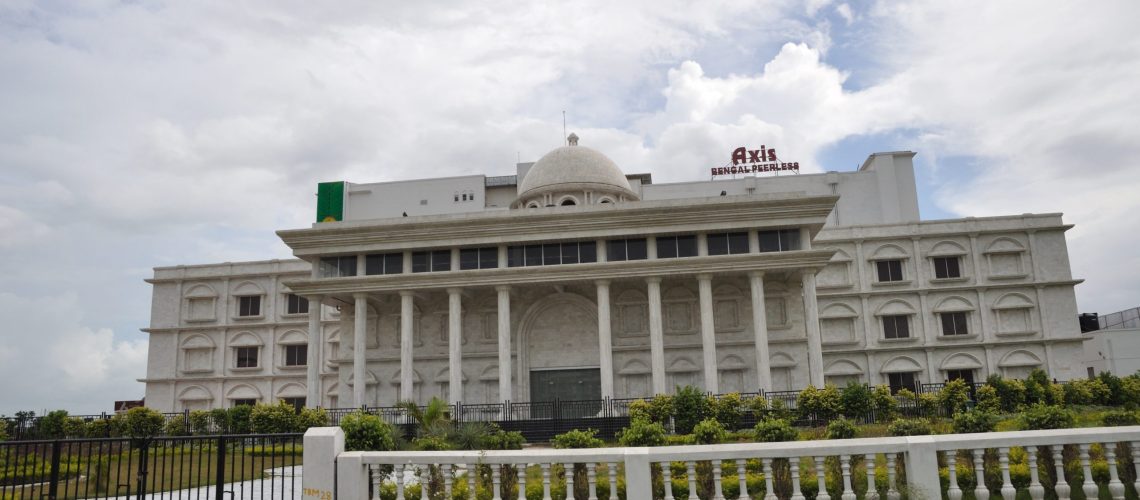
West Bengal infrastructure projects are set to revolutionize road conditions, as announced by Nitin Gadkari. With an investment of ₹1 lakh crore, these initiatives aim to bring American standards to local roads in just five years.
Overview of the Infrastructure Initiatives
The state of West Bengal is embarking on a transformative journey with its ambitious infrastructure projects aimed at boosting economic growth and enhancing connectivity. These initiatives are set to revolutionize the state’s transport network and overall infrastructure, promising significant benefits for residents and businesses alike.
Recently, Union Minister Nitin Gadkari announced a series of infrastructure projects worth ₹1 lakh crore, highlighting the government’s commitment to improving the quality of roads in the region. He expressed optimism that within five years, the roads in West Bengal will rival those of the United States, a statement that underscores the scale and ambition of these developments.
The key components of these infrastructure projects include:
- Expansion of National Highways: Upgrading existing roads and constructing new highways to facilitate smoother transportation.
- Improved Urban Infrastructure: Enhancing city roads, bridges, and public transport systems to cater to growing urban populations.
- Smart City Initiatives: Implementing technology-driven solutions to improve urban living standards.
These West Bengal infrastructure projects are poised to create jobs, attract investments, and ultimately lead to a robust economic landscape in the state.
Investment Breakdown
The West Bengal infrastructure projects have garnered significant attention, particularly with the state government announcing investments totaling ₹1 lakh crore. This investment is aimed at enhancing various sectors crucial for economic growth and development.
The breakdown of investments across different infrastructure domains reveals a strategic approach to address connectivity and accessibility challenges:
- Road Development: Approximately ₹60,000 crore will be allocated to improve the road network, ensuring that travel times are significantly reduced and safety is enhanced.
- Railway Infrastructure: An investment of ₹20,000 crore is dedicated to upgrading railway lines and facilities, facilitating smoother freight and passenger movement.
- Urban Development: Around ₹10,000 crore is planned for urban infrastructure, focusing on smart city initiatives that will incorporate modern technologies for better living standards.
- Water Supply and Sanitation: ₹5,000 crore is earmarked to improve water supply systems and sanitation facilities, addressing basic needs of the population.
- Energy Projects: The remaining ₹5,000 crore will support renewable energy initiatives, aligning with sustainability goals while powering the state’s growth.
Such a comprehensive investment strategy underscores the commitment to advancing West Bengal’s infrastructure projects for long-term economic benefits.
Timeline for Completion
The timeline for the completion of various West Bengal infrastructure projects has been set to ensure rapid growth and development in the region. Key milestones have been outlined by officials to keep the initiatives on track and meet the anticipated deadlines.
According to the latest announcements, the following projects are prioritized:
- Highway Expansion: Major highway upgrades are expected to be completed by the end of 2025, enhancing connectivity across the state.
- Bridge Construction: Several significant bridges, which are crucial for local transportation, are slated for completion in mid-2024.
- Urban Transit Systems: New metro lines in Kolkata and surrounding areas are projected to be operational by late 2026, providing a modern solution to urban congestion.
- Rural Connectivity Projects: Initiatives to improve rural roads are expected to wrap up by early 2025, fostering better access to remote regions.
These timelines reflect the commitment of the West Bengal government to enhance the region’s infrastructure, ultimately leading to robust economic growth and development.
Expected Benefits for Residents
The ambitious West Bengal infrastructure projects are set to bring a myriad of benefits to residents across the state. As these initiatives unfold, the positive impact on daily life is expected to be significant.
One of the primary advantages will be improved connectivity. Enhanced roadways will facilitate smoother travel, reducing congestion and travel time for commuters. This will not only benefit personal travel but also boost local businesses by streamlining the transport of goods.
Additionally, the projected enhancements in public transport systems are poised to make commuting more efficient and accessible, catering to a larger segment of the population. With better infrastructure, residents can anticipate a rise in property values, as well-developed areas become more attractive to potential buyers.
Moreover, job creation is a noteworthy benefit. The construction and maintenance of these projects will open up numerous employment opportunities for local workers, contributing to the overall economic upliftment of the region.
Lastly, the focus on sustainable practices in these infrastructure initiatives will encourage environmental stewardship among residents, fostering a sense of community responsibility towards preserving natural resources.
Challenges Ahead
Despite the ambitious plans for West Bengal infrastructure projects, several challenges lie ahead that could hinder progress. One of the primary issues is the bureaucratic red tape that often slows down project approvals and implementation. Delays in obtaining necessary clearances can push timelines back significantly, undermining the state’s growth objectives.
Additionally, land acquisition remains a contentious issue. Many projects require substantial land, which can lead to disputes with local communities. Resistance from residents can stall initiatives, delaying the expected improvements in connectivity and infrastructure.
Financial constraints also pose a challenge, as the funding allocation needs to be effectively managed to cover the extensive scope of the proposed projects. While the ₹1 lakh crore announcement is substantial, the execution of these projects requires a streamlined financial strategy to ensure sustainability and avoid cost overruns.
Moreover, maintaining quality during rapid development is crucial. The rush to complete projects might compromise standards, resulting in subpar infrastructure that could fail to meet the needs of the residents. Addressing these challenges will be essential for realizing the full potential of the West Bengal infrastructure projects and ensuring long-term benefits for the state.
Comparisons to Global Standards
In recent discussions surrounding West Bengal infrastructure projects, comparisons have been drawn to global standards, particularly in terms of road quality and connectivity. Nitin Gadkari, the Union Minister for Road Transport and Highways, emphasized that the state’s road network could resemble that of the United States within five years. This ambitious vision highlights the government’s commitment to elevating West Bengal’s infrastructure to meet international benchmarks.
The ongoing initiatives aim to enhance not only the structural integrity of roads but also the overall efficiency of transportation systems across the state. Key features of these infrastructure projects include:
- Smart Technology Integration: Implementation of intelligent traffic management systems to reduce congestion.
- Multi-Modal Transport Options: Development of integrated transport hubs that facilitate seamless movement between different modes of transport.
- Environmental Sustainability: Focus on eco-friendly materials and practices in construction to minimize ecological impact.
As West Bengal infrastructure projects progress, the state is expected to witness not only economic growth but also an improvement in residents’ quality of life, aligning with global standards and expectations.
Government’s Vision for Future Development
The government of West Bengal has laid out an ambitious vision for future development, aiming to revolutionize the state’s infrastructure landscape. With an investment of ₹1 lakh crore in various projects, officials are confident that these initiatives will significantly enhance connectivity and promote economic growth.
Key components of this vision include:
- Road Development: Aiming to transform road networks to be comparable to those in the United States, ensuring safer and faster travel.
- Urban Infrastructure: Modernizing urban areas through improved public transport systems, smart city initiatives, and enhanced utilities.
- Rural Connectivity: Expanding access to remote areas, thereby increasing opportunities for trade and commerce.
- Green Initiatives: Incorporating sustainable practices in construction and urban planning to minimize environmental impact.
The government’s vision for West Bengal infrastructure projects is not just about building roads and bridges; it symbolizes a commitment to uplift the quality of life for all residents. As these projects unfold, the focus remains on fostering long-term economic stability and ensuring that growth benefits every segment of the population.
West Bengal infrastructure projects have significantly improved transportation networks, facilitating easier access to markets and resources. Additionally, these West Bengal infrastructure projects have created numerous job opportunities, boosting the local economy and fostering sustainable growth.
By Biswarup Ganguly via Openverse
