Rural housing projects: Quick completion is worth it
October 14, 2026
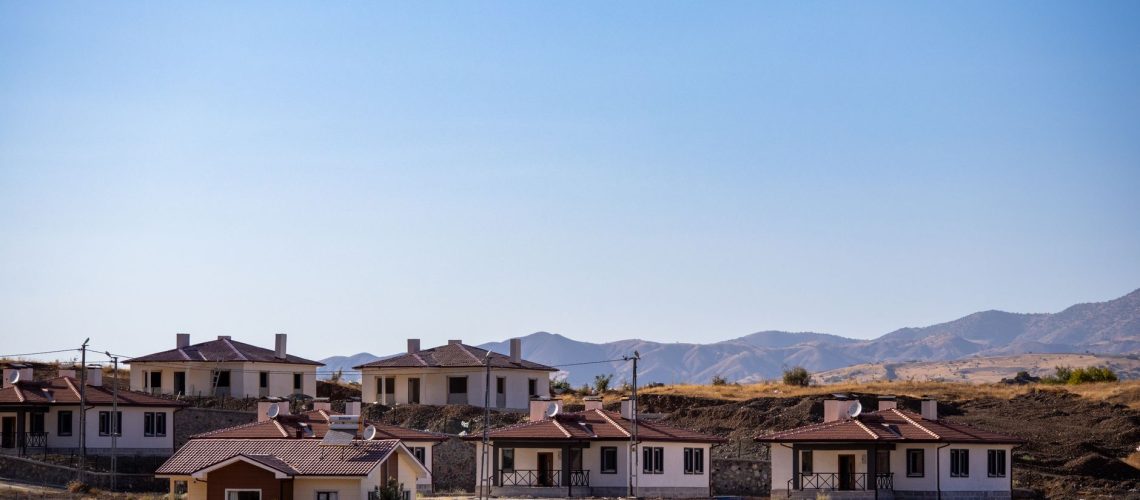
Rural housing projects are a priority for the Minister, who has called for their completion within a week. This urgency highlights the importance of addressing housing needs in rural areas.
Minister’s Call to Action
The Minister of Housing has issued a strong call to action for local authorities to expedite the completion of pending rural housing projects. In a recent statement, the Minister emphasized the importance of addressing the housing needs in rural areas, asserting that “every week counts.”
Highlighting the significance of these projects, the Minister noted that the timely delivery of rural housing can transform communities and improve the quality of life for many families. During a press briefing, the Minister said, “We cannot afford to delay these essential projects any longer. The need for secure and affordable housing in rural regions is urgent.”
To facilitate this swift completion, the Minister proposed the following steps:
- Resource Allocation: Ensure that adequate funding and manpower are directed toward completing existing housing initiatives.
- Streamlined Processes: Simplify administrative procedures to reduce bureaucratic delays.
- Community Engagement: Involve local communities in the planning and execution phases to ensure that the projects meet their specific needs.
The call to action serves as a reminder that the success of rural housing projects can significantly impact the overall development of underserved areas. The Minister urged all stakeholders to collaborate effectively and prioritize these essential developments.
Importance of Rural Housing
The significance of rural housing projects cannot be understated, especially in the context of national development and community well-being. These initiatives are crucial for providing stable and affordable housing solutions to families in rural areas, which often face a unique set of challenges.
Firstly, rural housing projects contribute to improving living conditions. Many families in these regions live in inadequate homes that lack basic amenities. By completing these projects, we can ensure that more individuals have access to safe and sanitary living environments.
Secondly, these projects play a vital role in stimulating the local economy. Construction activities create jobs and promote local businesses, leading to a ripple effect that benefits the entire community. When housing projects are completed promptly, the economic boost is felt almost immediately.
Moreover, rural housing initiatives can help in reducing urban migration. When people have access to decent housing in their own communities, they are less likely to move to urban areas in search of better opportunities. This can ease the pressure on urban infrastructures and promote balanced regional development.
In conclusion, the importance of rural housing projects extends beyond mere construction; it is about fostering community stability, economic growth, and sustainability. Addressing the completion of these projects should be a priority for all stakeholders involved.
Challenges in Housing Projects
Rural housing projects often face a myriad of challenges that can hinder their timely completion. Identifying these obstacles is crucial for ensuring that the goal of providing adequate housing is met.
One major challenge is funding constraints. Many rural housing projects are dependent on government grants and subsidies, which can be delayed or insufficient. This often leads to a halt in construction and increased costs.
Another significant issue is logistical difficulties. Rural areas may lack the necessary infrastructure, such as roads and utilities, which can complicate the delivery of materials and services required for housing projects. Additionally, harsh weather conditions can further exacerbate these delays.
Moreover, community engagement plays a vital role in the success of rural housing initiatives. If local populations are not adequately involved in the planning and execution stages, resistance can arise, leading to project setbacks. Ensuring that the needs and preferences of the community are considered is essential for fostering support.
Lastly, there is often a shortage of skilled labor in rural areas, which can slow down construction timelines. Addressing these challenges is imperative for the successful completion of rural housing projects and ensuring that residents can enjoy the benefits of safe and secure homes.
Funding for Rural Developments
The successful implementation of rural housing projects heavily relies on adequate funding. Local governments, non-profit organizations, and private investors must collaborate to secure the necessary financial resources. This collaboration is essential to ensure that these projects do not face unnecessary delays.
According to recent statements from officials, there are several key sources of funding available for rural developments:
- Government Grants: Various federal and state programs provide grants specifically aimed at improving rural housing infrastructure.
- Public-Private Partnerships: Engaging with private sector developers can stimulate investment and bring innovative solutions to rural housing challenges.
- Community Development Financial Institutions (CDFIs): These institutions focus on providing financial assistance to underserved communities, making them an invaluable resource for rural housing projects.
- Philanthropic Contributions: Non-profit organizations and charitable foundations often fund housing initiatives, helping to bridge the funding gap.
To maximize the impact of these funding sources, it is crucial for stakeholders to work together and establish clear timelines and accountability measures. By prioritizing quick completion, rural housing projects can significantly improve living conditions and foster economic growth in underserved areas.
Community Impact of Housing
The impact of rural housing projects extends far beyond the physical structures built. These initiatives serve as a cornerstone for community development, fostering a sense of belonging and stability among residents. When families have access to safe and affordable housing, they are more likely to invest in their local communities.
Moreover, the completion of housing projects can lead to significant economic benefits. Residents who move into newly built homes often contribute to local markets, enhancing business opportunities for shops and services. This ripple effect can create jobs and stimulate economic growth in rural areas that have historically faced challenges.
In addition to economic improvements, rural housing projects promote social cohesion. When communities come together to support these developments, they cultivate relationships that strengthen neighborhood ties. Residents often engage in local governance, participate in community events, and collaborate on projects that enhance their living environment.
Furthermore, the presence of adequate housing can improve public health outcomes. Families living in stable environments are less exposed to the risks associated with substandard housing, leading to better health and educational outcomes for children.
In summary, the community impact of housing projects is profound, as they not only provide shelter but also serve as a catalyst for broader societal progress in rural areas.
Timeline for Completion
The timeline for completion of rural housing projects has become a focal point of discussion among policymakers and community leaders. Recent statements from the Minister emphasized the urgency to finalize ongoing projects, with a target to complete them within a week. This swift approach is designed to address the critical housing shortages faced by many rural areas.
Key milestones in the completion process include:
- Site Assessment: A thorough evaluation of the land and resources is essential, ensuring that all projects are set up for success.
- Material Acquisition: Timely procurement of construction materials is necessary to prevent delays.
- Labor Allocation: Adequate workforce management will significantly impact the speed of project completion.
- Regular Progress Reviews: Scheduled check-ins will help track milestones and address any emerging challenges promptly.
By streamlining these processes, the government aims to not only enhance the speed of construction but also improve the quality of life in rural communities. Housing projects are not just about shelter; they represent a pathway to stability and growth for families. Ultimately, the successful and timely completion of rural housing projects will have lasting effects on the communities they serve, fostering economic development and social well-being.
Future of Rural Housing
The future of rural housing projects looks promising as governments and organizations increasingly recognize the need for sustainable and efficient housing solutions. With the recent call from the Minister to expedite the completion of pending projects, there is a renewed focus on innovative approaches to address the unique challenges faced by rural communities.
Key factors shaping the future of these initiatives include:
- Emphasis on Quick Completion: Timely delivery of housing units can significantly improve living conditions in rural areas, fostering economic growth and community stability.
- Adoption of Technology: Modern construction techniques and materials are enabling faster development, reducing costs, and enhancing durability.
- Community Involvement: Engaging local residents in the planning and implementation processes ensures that the housing projects meet the actual needs of the communities.
- Environmental Sustainability: Future projects are increasingly focusing on eco-friendly designs and materials, which can contribute to long-term sustainability.
As stakeholders prioritize these elements, the hope is that rural housing projects will not only provide shelter but also create vibrant communities where residents can thrive. The Minister’s push for quick completion reflects the urgency in addressing rural housing needs, setting the stage for future developments that can transform lives and landscapes alike.
Photo by Zülfü Demir📸 on Pexels
