Gujarat Highway projects: What are the proven benefits?
September 23, 2026
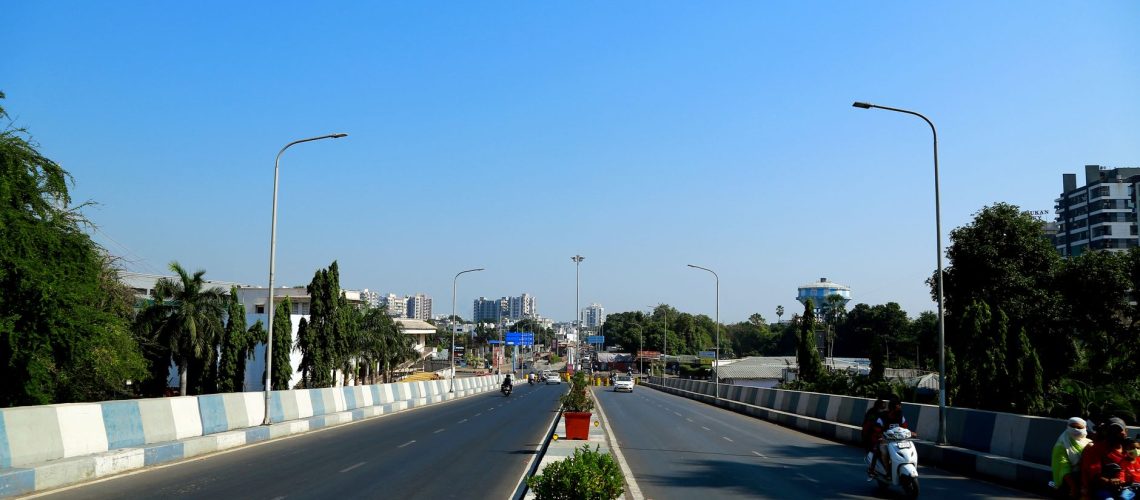
Gujarat Highway projects are set to improve efficiency with the recent MoU between NHAI and SSNNL. This collaboration aims to cut delays significantly.
Overview of the MoU between NHAI and SSNNL
The recent Memorandum of Understanding (MoU) signed between the National Highways Authority of India (NHAI) and the Sardar Sarovar Narmada Nigam Limited (SSNNL) marks a significant milestone in the development of Gujarat Highway projects. This collaboration aims to streamline processes and minimize delays in both highway and irrigation projects across the state.
Under the terms of the MoU, the two organizations will work closely to ensure timely execution of key infrastructure projects. Specifically, the agreement focuses on:
- Coordinated Planning: Joint efforts in planning phases to avoid conflicts and enhance efficiency.
- Resource Sharing: Utilization of shared resources to expedite project timelines.
- Regular Updates: Establishing a system for frequent communication and updates to monitor progress and address challenges.
This strategic partnership is expected to not only improve the quality and speed of implementing Gujarat Highway projects but also contribute positively to the overall development of the state’s infrastructure. Stakeholders are optimistic that this initiative will result in significant economic growth and improved connectivity for local communities.
Impact of the MoU on Gujarat Highway projects
The recent Memorandum of Understanding (MoU) between the National Highways Authority of India (NHAI) and the Sardar Sarovar Narmada Nigam Limited (SSNNL) is set to significantly impact Gujarat Highway projects. This collaboration aims to streamline processes and eliminate bottlenecks that have historically delayed infrastructure development.
By enhancing coordination between the two entities, the MoU will facilitate quicker decision-making and resource allocation, ensuring that highway projects progress without unnecessary interruptions. Stakeholders anticipate several key benefits:
- Reduced Project Delays: The partnership is expected to minimize the time taken for approvals and clearances.
- Improved Infrastructure: Faster execution of highway projects will lead to better connectivity across Gujarat.
- Economic Growth: Enhanced highways will not only ease transportation but also boost local economies by improving access to markets.
- Environmental Considerations: The MoU will focus on sustainable practices, ensuring that highways align with ecological standards.
Overall, the MoU is a promising step towards transforming the landscape of Gujarat Highway projects, benefitting both commuters and the economy alike.
Benefits of improved irrigation in Gujarat
The recent developments in the Gujarat Highway projects bring forth significant benefits, particularly in the realm of improved irrigation. Enhanced road connectivity is crucial for the timely transportation of agricultural products, which ultimately leads to increased productivity in the farming sector.
With the integration of highway projects and irrigation efforts, farmers are likely to experience:
- Reduced Transportation Costs: Improved highways lower fuel consumption and vehicle wear, resulting in lower costs for farmers transporting their goods.
- Faster Access to Markets: With better connectivity, farmers can reach local and distant markets quickly, ensuring their produce remains fresh and sells at higher prices.
- Enhanced Water Management: The collaboration between NHAI and SSNNL focuses on efficient water distribution, which is essential for irrigated agriculture, particularly in drought-prone areas.
- Increased Agricultural Investment: Improved infrastructure attracts investments in agriculture and related sectors, fostering economic growth and job creation.
Overall, the synergy between Gujarat Highway projects and irrigation improvements stands to benefit farmers significantly, boosting both their output and livelihoods.
Challenges faced in highway and irrigation projects
Despite the numerous benefits associated with the Gujarat Highway projects, there are significant challenges that stakeholders must address. These hurdles can impede progress and delay the intended outcomes of the initiatives.
- Land Acquisition Issues: One of the primary challenges faced in highway projects is acquiring land. Prolonged negotiations and disputes can stall construction timelines.
- Environmental Concerns: The impact on local ecosystems and communities often leads to resistance from environmental groups, which can complicate project approvals.
- Funding Delays: Securing adequate funding for large-scale infrastructure projects can be problematic, leading to cash flow issues that affect project schedules.
- Technical Difficulties: Implementing modern technology and engineering solutions in diverse terrains can pose technical challenges that require innovative approaches.
- Regulatory Hurdles: Navigating through the complex regulatory landscape can slow down progress, requiring additional time for compliance and approvals.
Addressing these challenges is essential for the success of the Gujarat Highway projects and ensuring they deliver their promised benefits effectively.
Future of infrastructure development in Gujarat
The future of infrastructure development in Gujarat looks promising, particularly with the recent initiatives surrounding the Gujarat Highway projects. As the state continues to focus on enhancing its road connectivity, several strategic plans are being laid out to ensure sustainable growth and efficiency.
With the signing of the MoU between NHAI and SSNNL, there is a renewed emphasis on collaboration, which is expected to significantly streamline processes that have previously led to delays. This partnership aims to not only expedite highway projects but also integrate them with irrigation improvements, thereby fostering overall economic development.
Key benefits anticipated from these developments include:
- Enhanced Connectivity: Improved highways will facilitate better transportation of goods and services across the state.
- Boost to Local Economy: The construction and maintenance of highways are expected to create numerous job opportunities.
- Environmental Sustainability: Initiatives are being put in place to minimize ecological impact while developing new infrastructure.
As these plans materialize, the future of infrastructure in Gujarat appears brighter, promising a transformative impact on the region’s economic landscape.
How this MoU can set a precedent for other states
The recent Memorandum of Understanding (MoU) between the National Highways Authority of India (NHAI) and the Sardar Sarovar Narmada Nigam Limited (SSNNL) stands as a significant milestone that could serve as a model for other states. By addressing key issues related to delays in Gujarat Highway projects and irrigation initiatives, this collaboration exemplifies how strategic partnerships can enhance infrastructure development.
Several factors contribute to the potential precedent set by this MoU:
- Streamlined Processes: The agreement is designed to minimize bureaucratic hurdles, enabling quicker project execution.
- Integrated Planning: By aligning highway and irrigation projects, resources can be utilized more efficiently, ensuring that both sectors benefit.
- Boosting Economic Growth: Improved infrastructure is vital for economic development, and this model could inspire similar projects in other states.
- Environmental Considerations: Collaborative efforts can lead to more sustainable project designs that account for ecological impacts.
Ultimately, the success of this MoU in Gujarat could encourage other states to adopt similar frameworks, fostering a nationwide improvement in infrastructure resilience and efficiency.
Photo by Giri Elisaphotography on Pexels
