Cigarette Beetle Monitoring – Explore Effective Methods for Early Pest Detection
September 19, 2026
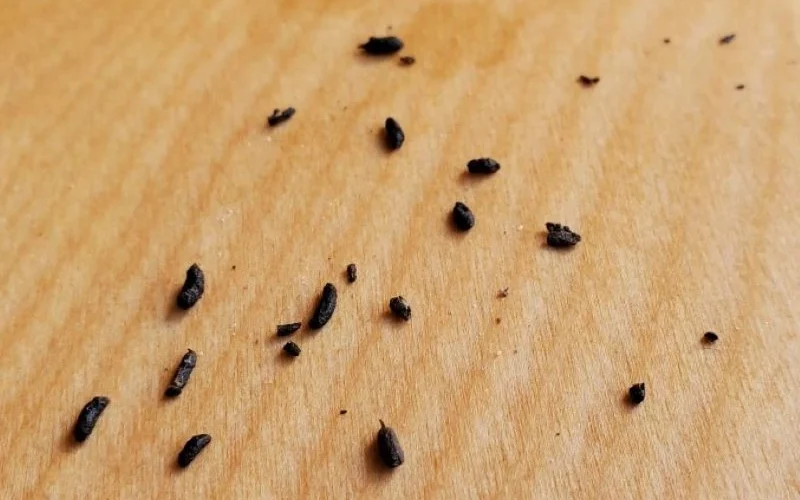
Early detection can make pest management easier and more organized, particularly when dealing with insects that can remain hidden in stored materials. Cigarette Beetle Monitoring (菸甲蟲監測) provides a practical way to observe adult beetle activity and identify possible infestations before they become more difficult to manage. Through regular inspection, appropriate traps, proper storage, and careful sanitation, households and storage facilities can improve their ability to recognize signs of cigarette beetles and respond to them promptly.
Contents
- Understanding Cigarette Beetle Activity
- Why Early Detection Is Important
- Using Monitoring Traps
- Selecting Appropriate Monitoring Locations
- Inspecting Stored Products
- Keeping Storage Areas Clean
- Improving Storage Practices
- Maintaining a Regular Monitoring Schedule
- Recognizing Signs of an Infestation
- Responding to Detected Activity
- Avoiding Common Monitoring Mistakes
- When Further Assistance May Be Necessary
- Conclusion
Understanding Cigarette Beetle Activity
Cigarette beetles are small reddish-brown insects that can develop in a variety of dry stored materials. Their small size and ability to remain inside packaging or hidden areas can make them difficult to notice during casual inspections.
Adult beetles may become visible when they leave infested materials and move through surrounding areas. Their presence can indicate that a suitable source is nearby, although finding adult insects does not always immediately reveal where the infestation started.
The life cycle of these insects makes monitoring important. Eggs, larvae, pupae, and adults may be present at different times, so a storage area can continue producing adult beetles even after the first insects are noticed.
Why Early Detection Is Important
Early detection allows people to investigate a potential infestation while it is still manageable. If cigarette beetles are discovered at an early stage, affected materials can be identified and separated before the insects spread into additional storage locations.
Without regular monitoring, an infestation can remain unnoticed until adult beetles become more numerous. By that point, identifying the original source may require considerably more inspection.
Monitoring also provides useful information after control measures have been completed. Continued observations can help determine whether beetle activity has declined or whether another source may still be present.
Using Monitoring Traps
Monitoring traps can be useful tools for detecting adult cigarette beetles. Depending on their design, these traps may use an attractant that encourages insects to approach and become captured on a monitoring surface.
The purpose of a monitoring trap is primarily to provide information about insect activity. It should not automatically be considered a complete solution for an established infestation.
Traps can be placed in areas where beetle activity is suspected, such as storage cabinets, pantries, shelves, and other locations containing suitable dry materials. Regular inspection allows captured insects to be identified and activity levels to be observed over time.
Selecting Appropriate Monitoring Locations
The location of monitoring devices can influence the information they provide. A trap placed in an area with little insect movement may produce limited results, while a trap positioned close to potential activity can provide more useful indications.
Storage areas containing dry foods and other susceptible materials deserve particular attention. Traps can be positioned near shelves, cabinets, and areas where stored products remain undisturbed for long periods.
When activity is suspected in multiple areas, several monitoring points may provide a clearer picture. Comparing findings from different locations can help narrow down where beetles may be developing.
Inspecting Stored Products
Monitoring should always be supported by physical inspection. When beetles are detected, stored materials should be examined carefully for signs of infestation.
Packages may show small holes, damage, unusual particles, insect remains, larvae, or adult beetles. Some infestations may not be obvious from the outside, making it useful to inspect older and rarely used products.
Dry foods, spices, grains, herbs, pet products, and other stored materials can potentially provide suitable conditions for beetle development. Any questionable product should be separated from unaffected materials until its condition can be determined.
Checking storage areas on a regular schedule can reduce the chance of an infestation remaining hidden for an extended period.
Keeping Storage Areas Clean
Clean storage areas can make monitoring easier and reduce the conditions that allow pests to remain unnoticed. Shelves, corners, cracks, and other areas where particles accumulate should be cleaned regularly.
Food crumbs and spilled materials should be removed promptly. Dust and debris can also hide insects or make signs of activity harder to recognize.
Vacuuming can help remove small particles and insects from difficult areas. After cleaning, storage spaces should be inspected again to ensure that no affected material has been overlooked.
A clean environment does not guarantee that cigarette beetles will never appear, but it can make potential problems easier to detect and manage.
Improving Storage Practices
Proper storage is an important part of early pest detection and prevention. Dry products should be kept in secure, tightly sealed containers whenever practical.
Damaged packaging should be examined carefully rather than simply returned to storage. Products that have been stored for long periods should also be checked periodically.
Organizing shelves so that older products are easy to see can make inspections more effective. Avoiding unnecessary accumulation of stored materials can further reduce the number of places where insects might remain hidden.
Good organization also makes it easier to notice changes, such as damaged packaging or unusual insect activity.
Maintaining a Regular Monitoring Schedule
Effective monitoring depends on consistency. Checking traps and storage areas only once may not provide enough information to understand the full situation.
A regular schedule can help identify changes in activity. Monitoring should be especially consistent in areas where cigarette beetles have previously been found.
Keeping simple notes about inspection dates, trap locations, and observations can also be helpful. If activity increases in one area, these records may provide clues about where further investigation should occur.
Regular monitoring is particularly useful after cleaning or removing suspected sources because it can help determine whether adult activity continues.
Recognizing Signs of an Infestation
Adult beetles are one obvious sign, but they are not the only indication of a possible problem. Damaged packaging, larvae, pupal cases, shed skins, and unusual material inside stored products can also suggest activity.
Small insects appearing near windows, shelves, cabinets, or storage containers may warrant further investigation. Because adult beetles can move away from the material where they developed, their location does not always identify the original source.
A combination of signs provides more useful information than relying on a single observation. Careful inspection can help distinguish an isolated insect from evidence of a larger problem.
Responding to Detected Activity
When cigarette beetle activity is detected, the first step is to investigate rather than immediately assume that every stored product is affected. Potential sources should be identified and separated from unaffected materials.
Affected products should be handled carefully to prevent insects from spreading. Storage areas should then be cleaned thoroughly, including corners and difficult-to-reach locations.
Monitoring traps can remain in place after these steps to determine whether adult activity continues. If insects are still detected, another inspection may be necessary to locate a hidden source.
Avoiding Common Monitoring Mistakes
One common mistake is relying entirely on traps. Traps are useful for detecting activity, but they do not necessarily reveal the source of an infestation.
Another mistake is ignoring the surrounding storage area after capturing beetles. Captured insects provide a reason to investigate nearby materials rather than simply removing the trap and assuming the problem has ended.
Infrequent inspections can also allow activity to continue unnoticed. A consistent monitoring routine provides more reliable information.
It is also important not to overlook old or rarely used products. These materials may remain undisturbed while insects develop inside or around them.
When Further Assistance May Be Necessary
Some infestations can be difficult to locate or may continue despite cleaning and removal of affected products. Persistent activity may indicate that an overlooked source remains somewhere in the storage area.
When the problem is extensive or repeatedly returns, professional pest management assistance can provide additional inspection and control options. Specialists can evaluate the environment, identify possible sources, and recommend appropriate measures.
The purpose of additional assistance is to address the underlying infestation rather than simply reduce the number of visible adult insects.
Conclusion
Cigarette beetle monitoring is an important part of early pest detection because it provides a structured way to identify activity before a problem becomes more difficult to manage. Monitoring traps, regular inspections, clean storage areas, secure containers, and careful product checks can work together to provide better awareness.
Early detection does not depend on a single method. A consistent approach makes it easier to recognize warning signs, identify possible sources, and take corrective action. By maintaining organized storage and continuing to monitor areas where beetles may develop, households and storage facilities can improve their ability to prevent recurring cigarette beetle problems.
