Asbestos Contamination in Home Water Pipes
November 26, 2024
What Is Asbestos and Why Was It Used in Pipes?
Asbestos, a naturally occurring mineral, was widely used in construction materials for its durability and heat resistance. In the mid-20th century, it became a common component in cement water pipes due to its ability to strengthen the material while keeping costs low. These pipes, often referred to as asbestos cement (AC) pipes, were considered state-of-the-art at the time. However, as these pipes age and degrade, they can release asbestos fibers into the water supply, creating potential health risks.
How Asbestos Enters the Water Supply
Asbestos fibers can infiltrate drinking water through several pathways:
- Degradation of old asbestos cement pipes over time, especially in systems installed before the 1980s.
- Pipe damage caused by natural disasters, construction work, or heavy usage.
- Leaching of fibers due to corrosion or chemical reactions within the water supply.
These fibers are microscopic and cannot be detected by sight or taste, making the issue even more concerning for homeowners.
The Role of Aging Infrastructure in Asbestos Contamination
The aging infrastructure in many communities is a significant contributor to asbestos contamination. Asbestos cement pipes have a typical lifespan of about 70 years. Many of these pipes, installed decades ago, are now well beyond their intended use, leading to increased risks of fiber release. Municipalities and homeowners alike face challenges in addressing this issue due to the high costs and complexities involved in replacing these aging systems. Understanding the risks posed by deteriorating infrastructure is essential for ensuring safe drinking water.
For those concerned about asbestos in their water, it’s vital to consult with your local water provider or consider testing options. If asbestos contamination is confirmed, damaged cement water pipes should be repaired or replaced by certified professionals to minimize exposure risks.
Health Risks Associated with Asbestos in Drinking Water
Short-Term and Long-Term Health Effects
Exposure to asbestos in drinking water can have both immediate and long-term consequences. In the short term, individuals may experience respiratory irritation if asbestos fibers become airborne after water dries on surfaces. Over time, however, the risks escalate significantly. Long-term exposure has been linked to severe conditions such as asbestosis, pleural plaques, and even lung cancer. There is no safe level of asbestos exposure, making any contamination a potential health hazard.
The Link Between Asbestos and Cancer
Scientific studies have explored the connection between asbestos and various cancers. While the risk of ingesting asbestos through water remains a topic of debate, some research has uncovered correlations between asbestos exposure and cancers of the stomach, intestines, and other gastrointestinal areas. For example, a 1980 study found increased rates of lung, gall bladder, and pancreatic cancers in areas with asbestos-contaminated water. This highlights the potential dangers of prolonged exposure, even if the evidence isn’t universally conclusive.
Vulnerable Populations and Increased Risks
Certain groups are more susceptible to the dangers of asbestos in water. Children, for instance, are at a higher risk due to their developing bodies and immune systems. Similarly, individuals with preexisting health conditions or compromised immune systems may face amplified risks. Additionally, those living in areas with aging infrastructure or poorly maintained water systems are more likely to encounter elevated asbestos levels. Symptoms like shortness of breath and other respiratory issues, often linked to water contaminants, can further complicate health outcomes for these vulnerable populations. Shortness of breath, for instance, is a common symptom tied to waterborne contaminants, including asbestos.
Identifying Asbestos in Your Home Water System
Signs of Asbestos in Water Pipes
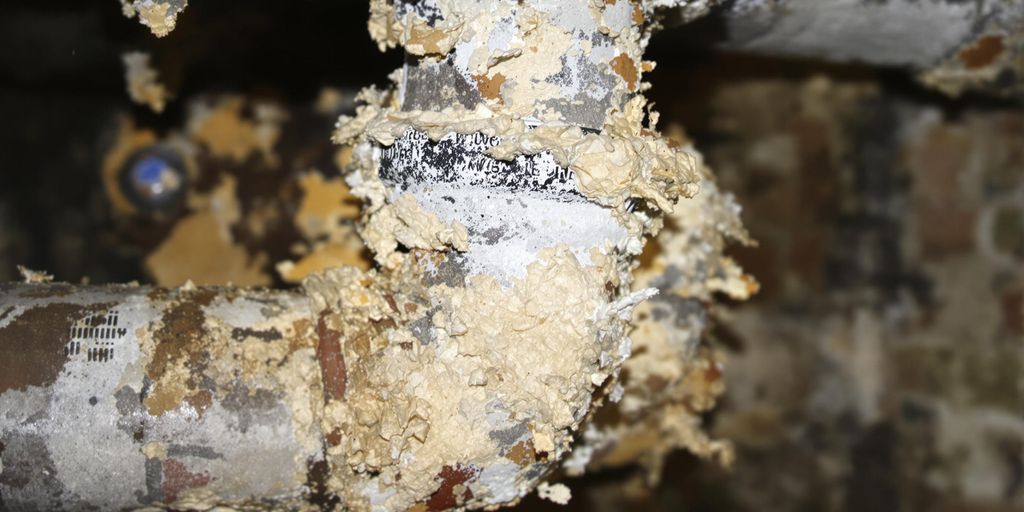
Determining whether your home’s water pipes contain asbestos can be tricky. Homes built before the 1980s are more likely to have asbestos cement (AC) pipes. These pipes often appear gray or white and may show signs of wear, such as frayed or peeling remnants around pipe fittings. However, asbestos fibers are microscopic and cannot be seen with the naked eye. If your home has older pipes and you notice unusual water discoloration or sediment, it might be a sign of degrading asbestos material.
Testing Methods for Asbestos in Water
Testing for asbestos in water requires specialized methods. Homeowners can start with at-home water testing kits designed to detect asbestos fibers. While these kits provide initial insights, they may not be as accurate as professional testing. Hiring a trained and accredited asbestos professional ensures precise results. Professionals use advanced techniques, such as electron microscopy, to analyze water samples for asbestos contamination. If you suspect contamination, testing is a critical step to protect your household’s health.
When to Consult a Professional
If you suspect asbestos in your water system, it’s essential to act cautiously. Avoid disturbing the pipes as this could release harmful fibers into the air. Instead, consult a licensed asbestos consultant to inspect your water system and conduct proper testing. A professional can also guide you on the next steps, whether it’s installing water filtration systems or replacing the affected pipes. Remember, safe handling and removal of asbestos materials require expertise to prevent further health risks.
Sources of Asbestos in Residential Water Supplies
Asbestos Cement Pipes and Their Lifespan
Asbestos cement pipes, once widely used for water distribution, are a significant source of asbestos contamination in residential water supplies. These pipes, composed of a mixture of asbestos fibers and cement, were valued for their durability and resistance to corrosion. However, asbestos cement pipes typically have a lifespan of about 70 years, and as they age, they can degrade and release asbestos fibers into the water. Environmental factors like weather, ground movement, and maintenance activities can accelerate this deterioration. In the United States, it’s estimated that 12% to 15% of drinking water systems still rely on these aging pipes, posing a potential risk to public health.
Natural Erosion and Environmental Factors
Asbestos is a naturally occurring mineral, and in some areas, it is present in the surrounding soil and rock formations. Natural erosion caused by water flow or weathering can release asbestos fibers into groundwater sources. This is particularly concerning in regions with a history of asbestos mining or manufacturing, where contamination levels are often higher. Additionally, industrial activities and improper waste disposal can exacerbate the release of asbestos into the environment, further impacting water quality.
Impact of Pipe Corrosion on Water Quality
Corrosion in water pipes, especially those containing asbestos, can significantly affect water quality. When pipes corrode, they not only weaken structurally but also create pathways for asbestos fibers to enter the water supply. Factors contributing to corrosion include water acidity, chemical treatments, and the age of the infrastructure. Homeowners with older plumbing systems should be aware of the potential risks and consider regular inspections or upgrades to mitigate contamination.
Understanding these sources of asbestos in residential water supplies is essential for addressing contamination risks and protecting public health. If you suspect asbestos in your home, consulting a professional for testing and guidance is always recommended.
Regulations and Guidelines for Asbestos in Drinking Water
EPA Standards for Asbestos Levels
The Environmental Protection Agency (EPA) plays a pivotal role in regulating asbestos levels in drinking water. Under the Safe Drinking Water Act of 1974, the EPA established a maximum contaminant level (MCL) for asbestos at 7 million fibers per liter, specifically for fibers longer than 10 micrometers. This standard ensures that water suppliers actively monitor and manage asbestos contamination to minimize public health risks. State authorities often adopt these federal regulations, but some may implement stricter standards to address local concerns.
State and Local Reporting Requirements
State and local governments are required to align with EPA guidelines but may also introduce additional reporting and monitoring protocols. Water suppliers must regularly test for asbestos and submit detailed reports on contamination levels. These reports are essential for ensuring transparency and accountability within communities. Public notification systems are also in place to inform residents if asbestos levels exceed acceptable limits, emphasizing the importance of timely communication.
Global Perspectives on Asbestos in Water
Globally, approaches to asbestos regulation vary widely. While the World Health Organization (WHO) does not set a specific threshold for asbestos in drinking water, it recommends minimizing exposure as much as possible. Many countries base their guidelines on WHO recommendations, prioritizing investigative monitoring to assess contamination from aging asbestos-cement pipes. The lack of a universally accepted “safe” threshold highlights the ongoing debate among scientists and policymakers regarding acceptable exposure levels.
How to Mitigate Asbestos Contamination in Your Home
Installing Water Filtration Systems
One of the most effective ways to reduce asbestos contamination in your home is by installing a water filtration system. Certified filters designed to remove asbestos fibers can significantly improve the safety of your drinking water. Options include:
- Reverse osmosis systems: These are highly effective, using a semipermeable membrane to trap asbestos fibers and other contaminants.
- Faucet-mounted or pitcher filters: While less comprehensive than whole-house systems, these are budget-friendly and convenient for smaller households.
- Whole-house filtration systems: These treat all the water entering your home, which is ideal if asbestos contamination originates from your home’s plumbing.
When choosing a filtration system, ensure it meets the standards for asbestos removal. Regular maintenance of the filters is also crucial to maintain their effectiveness.
Replacing Asbestos-Containing Pipes
If your home has asbestos cement pipes or other asbestos-containing materials in the plumbing, replacing them is a long-term solution. Hiring a trained and licensed asbestos abatement professional is essential for this process. Improper removal can release asbestos fibers into the air, creating additional health risks. Professionals follow strict safety protocols to ensure the fibers are contained and disposed of properly.
Keep in mind that pipe replacement can be costly and disruptive, but it eliminates the source of contamination altogether. For older homes, this step might be necessary to ensure the safety of your water supply.
Safe Practices for Handling Contaminated Water
Until a permanent solution is implemented, adopt safe practices to minimize exposure to asbestos in your water. These include:
- Avoid using water suspected of contamination for drinking or cooking. Instead, rely on bottled or filtered water.
- Keep an emergency supply of clean water, especially if you live in areas prone to natural disasters that can damage old pipes.
- Contact your local water supplier for updates on asbestos testing and contamination levels in your area.
By combining these measures, homeowners can effectively reduce the risks associated with asbestos contamination in their water supply. Taking proactive steps now can help protect your family’s health and ensure a safer home environment.
The Process of Asbestos Removal and Abatement
Steps in Professional Asbestos Abatement
Professional asbestos abatement follows a structured process to ensure safety and compliance. The initial step involves a thorough inspection to identify the presence and extent of asbestos-containing materials. Once identified, the area is sealed off to prevent contamination. Specialized equipment and protective gear are essential during removal to avoid exposure to airborne fibers. The materials are then carefully removed, double-bagged, and disposed of in designated facilities.
Legal Requirements for Asbestos Removal
Removing asbestos is heavily regulated to protect both workers and the public. In the U.S., federal agencies like the EPA and OSHA set strict guidelines for handling and disposal. Homeowners must hire licensed professionals for abatement projects, as improper removal can lead to severe penalties. Compliance with local and state regulations is also mandatory, and permits may be required before starting the process.
Costs and Considerations for Homeowners
The cost of asbestos removal varies based on factors like the size of the affected area and the complexity of the project. Homeowners should obtain multiple quotes from certified abatement contractors to ensure fair pricing. Additional expenses may include post-removal air quality testing and repairs to replace the removed materials. While the process can be costly, investing in professional abatement ensures the safety of your household and compliance with legal standards.
Technological Advances in Detecting and Treating Asbestos in Water
Innovations in Water Testing Kits
Modern water testing kits have come a long way in detecting asbestos fibers. These kits now incorporate real-time monitoring and artificial intelligence, making it easier to identify contaminants quickly and accurately. Such advancements reduce the time required for analysis, allowing homeowners and water providers to act swiftly. Automated systems, for example, streamline data collection and processing, enhancing the reliability of test results. For those relying on well water, these technologies bring much-needed convenience and precision.
Treatment Methods for Removing Asbestos
When it comes to removing asbestos from drinking water, reverse osmosis remains a leading method. This process forces water through a semipermeable membrane, effectively trapping asbestos fibers and other impurities. Filtration systems with a pore size of 1 micron or smaller are particularly effective, eliminating nearly all asbestos particles. Additionally, advanced water treatment facilities use granular media filters and diatomaceous earth filters, which are often coated with aluminum hydroxide for improved efficiency. These methods not only clear the water but also ensure its safety by maintaining appropriate pH levels and reducing turbidity.
The Role of Reverse Osmosis Systems
Reverse osmosis systems are a household-friendly solution for mitigating asbestos contamination. They are easy to install and provide a dependable way to purify water. These systems are designed to remove not only asbestos but also other harmful substances, making them a versatile choice for improving water quality. Homeowners should consider regular maintenance of these systems to ensure optimal performance over time. While the upfront cost may seem significant, the long-term health benefits and peace of mind they offer are well worth the investment.
Legal and Financial Implications of Asbestos Contamination
Filing Claims for Asbestos-Related Illnesses
When asbestos contamination leads to health issues, individuals may have the right to file legal claims. These claims often target manufacturers of asbestos-containing materials or entities responsible for maintaining water systems. Proving exposure to asbestos in water can be challenging, as the link between ingestion and disease is less understood compared to inhalation. To strengthen a case, claimants typically need medical records, water testing results, and documentation of asbestos-related illnesses. Consulting an attorney experienced in asbestos litigation is often necessary to navigate these complexities.
Compensation for Contaminated Water Supplies
Homeowners affected by asbestos in their water supply may seek compensation for damages. This can include costs for medical treatment, water testing, and pipe replacement. In some cases, class-action lawsuits are filed against water providers or municipalities. These lawsuits aim to address widespread contamination affecting entire communities. Compensation may also cover the installation of water filtration systems to prevent further exposure.
Legal Responsibilities of Water Providers
Water providers are legally obligated to meet safety standards set by agencies like the EPA. Failing to comply with these regulations can result in penalties, lawsuits, and public backlash. Providers must regularly test water for contaminants, including asbestos, and report their findings. If contamination exceeds permissible levels, immediate action is required to mitigate risks. The NESHAP regulations, for instance, mandate strict protocols during maintenance or demolition activities involving asbestos-containing materials to prevent contamination.
Raising Awareness About Asbestos in Home Water Pipes
Educational Campaigns and Community Outreach
Educating the public about the dangers of asbestos in home water pipes is essential. Awareness campaigns can save lives by helping people recognize the risks and take action. Local governments, health organizations, and community groups can organize workshops, distribute informational brochures, and host Q&A sessions. These efforts should focus on explaining how asbestos contamination occurs and the health risks associated with it. Schools and community centers are ideal venues for such initiatives, ensuring the message reaches a broad audience.
Resources for Concerned Homeowners
Homeowners worried about asbestos contamination need clear and accessible resources. This can include step-by-step guides on how to test water for asbestos, lists of certified testing labs, and contact information for local water authorities. Providing information about water filtration systems and professional asbestos abatement services is also critical. Homeowners should know they can consult their water provider for recent test results, especially since asbestos-contaminated water systems pose significant risks.
The Importance of Public Health Advocacy
Advocacy plays a vital role in addressing asbestos contamination. Public health organizations and activists can push for stricter regulations, improved testing protocols, and better reporting standards. Encouraging policymakers to prioritize replacing aging asbestos-cement pipes is another key step. Advocacy efforts should also highlight the need for funding to support these initiatives, ensuring that all communities, especially vulnerable populations, have access to safe drinking water.
Content Library

