Uncategorized
Hannas: Creating Purpose-Built Spaces for Sydney’s Evolving Business Community
October 9, 2026
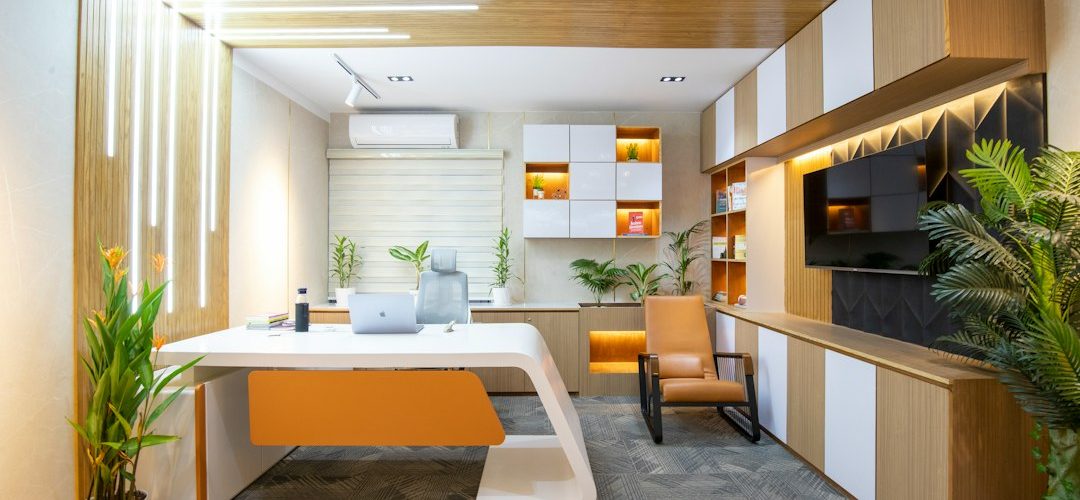
Sydney’s business landscape continues to develop as new industries emerge, established organisations expand, and commercial operations become increasingly technology-driven. These changes are creating stronger demand for property that is designed around specific business requirements rather than generic space. Hannas reflects a purpose-led development approach focused on creating environments that combine practical functionality, strategic positioning, quality construction, and adaptability for Sydney’s evolving business community.
Contents
- Why are purpose-built business spaces becoming more important?
- How is Sydney’s business environment influencing property design?
- What makes a business location strategically valuable?
- How does design improve business functionality?
- Why does adaptability matter to Sydney businesses?
- What role does technology play in purpose-built properties?
- How can sustainable design benefit businesses?
- Why is infrastructure essential to purpose-built development?
- How can purpose-built spaces support long-term business growth?
- What does the future hold for Sydney’s business properties?
- Conclusion
Why are purpose-built business spaces becoming more important?
Businesses often have unique requirements relating to workflow, storage, access, equipment, customer interaction, and employee facilities. A property designed around these needs can provide greater operational efficiency than a space that requires extensive modifications.
Purpose-built development allows design and infrastructure decisions to be made with the intended use in mind. This can result in spaces that are better aligned with everyday business activities and future growth.
How is Sydney’s business environment influencing property design?
Sydney has a diverse commercial economy spanning professional services, logistics, manufacturing, technology, retail, and other sectors. Each industry brings different expectations for physical space.
Modern property development can respond to this diversity by offering flexible layouts, efficient access, appropriate infrastructure, and facilities that support different operating models. This creates opportunities for businesses to select environments that align closely with their objectives.
What makes a business location strategically valuable?
Location can influence everything from employee accessibility to logistics and customer convenience. Connections to major roads, public transport, commercial centres, employment areas, and essential services can strengthen a property’s practical value.
Purpose-built spaces benefit from strategic positioning because the right location can complement the property’s internal functionality and support efficient daily operations.
How does design improve business functionality?
Effective design starts by understanding how a business uses its environment. Internal circulation, floor layouts, entrances, loading zones, storage areas, parking, and amenities can all influence operational efficiency.
Thoughtful design can reduce unnecessary movement and make better use of available space. It can also create a professional environment that supports employees, customers, and visitors.
Why does adaptability matter to Sydney businesses?
Business requirements can change as companies grow, introduce new technology, expand product lines, or adjust their operating models.
Adaptable spaces can accommodate these changes more effectively. Flexible layouts and well-planned infrastructure can give businesses the ability to evolve within their existing premises rather than requiring significant relocation or redevelopment.
What role does technology play in purpose-built properties?
Technology has become central to many business operations. High-speed connectivity, smart building systems, digital security, automation, and energy management can all influence modern property requirements.
Purpose-built developments can incorporate technology-ready infrastructure from the beginning, helping businesses establish efficient digital and physical operations within the same environment.
How can sustainable design benefit businesses?
Sustainability is increasingly relevant to commercial property decisions. Energy-efficient systems, natural lighting, water-conscious planning, landscaping, and responsible material choices can support more efficient operations.
These features can also contribute to a comfortable workplace environment and help businesses align their premises with broader sustainability objectives.
Why is infrastructure essential to purpose-built development?
Infrastructure provides the framework that connects a property to its wider environment. Roads, utilities, drainage, communications, access networks, and transport connections all contribute to how effectively a business space operates.
Coordinating infrastructure with property design can help create a complete development solution rather than a standalone building.
How can purpose-built spaces support long-term business growth?
Growth often requires changes in space, equipment, staffing, logistics, and technology. A property designed with future requirements in mind can provide greater capacity to accommodate these changes.
This forward-thinking approach can help businesses establish stronger foundations for expansion while maintaining operational efficiency and a consistent working environment.
What does the future hold for Sydney’s business properties?
Sydney’s commercial property environment is likely to continue evolving alongside technology, infrastructure, workforce trends, and business innovation. Demand for efficient, flexible, well-connected spaces is expected to remain important.
Purpose-built development can respond to this evolution by combining detailed planning with adaptable design and modern infrastructure. This creates opportunities for businesses to occupy spaces that are ready for both current operations and future ambitions.
Conclusion
Purpose-built property can provide Sydney businesses with environments designed around real operational requirements. Strategic locations, efficient layouts, technology-ready infrastructure, sustainability, quality construction, and adaptability can work together to create spaces that support productivity and growth. As Sydney’s business community continues to evolve, thoughtfully designed properties can provide a strong foundation for organisations seeking practical, modern, and future-ready places to operate.
