Is the Rural Water Project the Best Solution for Communities?
October 6, 2026
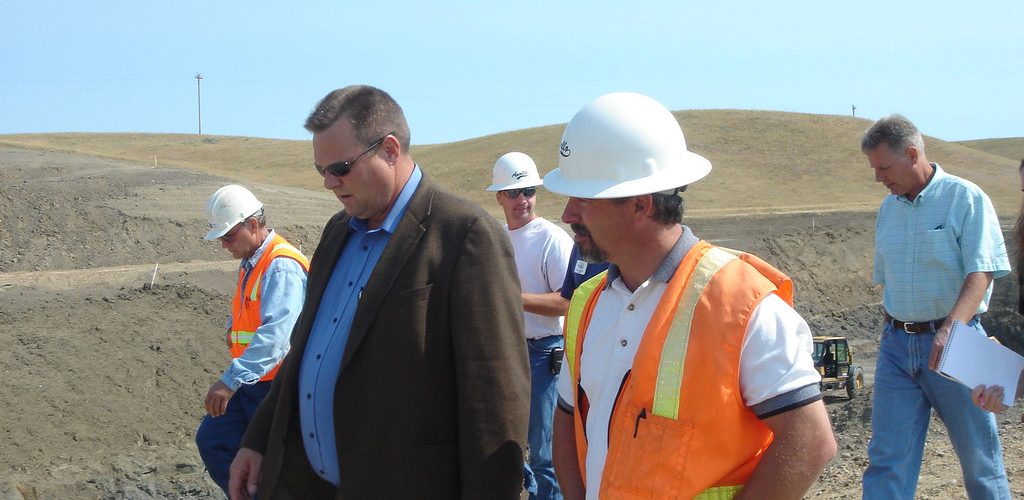
The rural water project is set to revolutionize access to clean water in underserved communities. Launched by AP CM Naidu and Dy CM Pawan, this initiative promises significant improvements.
Overview of the Rural Water Project
The Rural Water Project aims to address the pressing need for clean and accessible water in underserved communities. With an increasing population and dwindling water resources, many rural areas face significant challenges in securing safe drinking water. The project, recently launched by AP CM Naidu and Dy CM Pawan, focuses on implementing sustainable and efficient water supply systems.
This initiative encompasses several key components:
- Infrastructure Development: Building new pipelines and storage facilities to ensure reliable water delivery.
- Community Engagement: Involving local residents in the planning and execution phases to tailor solutions to their specific needs.
- Training and Capacity Building: Educating community members on maintenance and management of water resources.
- Health and Hygiene Promotion: Raising awareness about safe water practices to reduce waterborne diseases.
By addressing both the technical and social aspects of water supply, the Rural Water Project seeks to provide long-term solutions that enhance the quality of life for residents while promoting sustainable resource management. With ongoing support and commitment, this project could serve as a model for similar initiatives across the country.
Key Benefits of Improved Water Access
The implementation of the Rural Water Project brings several key benefits to communities that have long struggled with inadequate water access. By improving the availability of clean water, these initiatives are poised to transform daily life for residents in rural areas.
- Health Improvements: Access to safe drinking water significantly reduces the prevalence of waterborne diseases, leading to better overall health for community members.
- Economic Growth: With reliable water supply, agricultural productivity can increase, providing farmers with the resources needed to enhance crop yields and boost local economies.
- Education Opportunities: Children, especially girls, often spend hours collecting water. Improved access allows them to focus on their education, thereby promoting a more literate society.
- Community Development: The project fosters community engagement as residents participate in planning and maintenance, leading to stronger social ties and collective responsibility.
In conclusion, the Rural Water Project not only addresses immediate water needs but also lays the foundation for long-term social and economic benefits, making it a vital solution for rural communities.
Government Initiatives in Rural Development
In recent years, government initiatives aimed at rural development have gained significant momentum, particularly in the area of water supply. The launch of the Rural Water Project by AP Chief Minister Naidu and Deputy Chief Minister Pawan exemplifies a commitment to enhancing water access in underserved communities.
These initiatives are designed to address longstanding issues related to water scarcity and quality, which have a direct impact on health and economic opportunities in rural areas. Some key aspects of these government efforts include:
- Infrastructure Development: Construction of new pipelines and water treatment facilities to ensure safe and reliable water supply.
- Community Engagement: Involving local populations in project planning and implementation to promote sustainability and ownership.
- Financial Support: Allocation of funds and resources to facilitate the execution of water projects that serve multiple villages.
- Partnerships: Collaborating with NGOs and private sectors to leverage expertise and resources for better outcomes.
By focusing on these areas, the Rural Water Project aims to create lasting change in the lives of those in rural communities, ultimately fostering improved health and economic growth.
Community Reactions to the Project
Community reactions to the Rural Water Project have been mixed, reflecting a range of hopes and concerns among residents. While many local leaders and families express optimism about the potential benefits, others remain skeptical about the project’s implementation and sustainability.
- Support from local leaders: Many community leaders have welcomed the initiative, believing it will significantly improve the quality of life for residents. They highlight the importance of reliable water access for health, education, and economic development.
- Concerns over sustainability: Some residents worry about the long-term viability of the project. Concerns include the maintenance of infrastructure and the continuous availability of funding. They emphasize the need for community involvement in decision-making processes.
- Environmental impact: Environmentalists within the community stress the importance of ensuring that the project does not adversely affect local ecosystems. They advocate for a balanced approach that considers both human needs and environmental sustainability.
Overall, while the Rural Water Project is seen as a promising step towards addressing water scarcity, it is crucial to address the community’s concerns to ensure its success.
Challenges Facing Implementation
The implementation of the rural water project faces several significant challenges that could hinder its success. Firstly, financial constraints pose a major obstacle. Many local governments struggle to allocate sufficient budgets for the project, leading to delays in execution and maintenance.
Additionally, geographical barriers can complicate the installation of necessary infrastructure. Rural areas often have difficult terrains, making it challenging to lay pipelines and ensure reliable water delivery to remote communities.
There is also the issue of community engagement. While many residents support the rural water project, others may be skeptical about its long-term benefits or concerned about potential disruptions during construction. Engaging these communities is essential for fostering trust and ensuring participation.
Moreover, technical expertise is required to design and manage effective water systems. A lack of trained personnel can lead to inefficiencies and subpar results, undermining the potential advantages of improved water access.
Finally, sustainability must be a priority. Without ongoing maintenance and community involvement, the gains from the rural water project could diminish over time, leaving communities without the access they desperately need.
Future Prospects for Rural Water Supply
The future prospects for rural water supply appear promising, particularly with the ongoing implementation of the rural water project. As communities experience the advantages of reliable water access, the demand for sustainable solutions will likely grow.
Stakeholders are optimistic about the long-term impacts of improved water infrastructure. Several key factors contribute to this optimism:
- Technological Advancements: Innovations in water purification and distribution systems can further enhance the efficiency of rural projects.
- Community Engagement: Involving local populations in project planning and maintenance fosters a sense of ownership and responsibility.
- Partnerships: Collaborations between government agencies, non-profits, and private sectors can secure funding and expertise for future phases.
Additionally, as the rural water project progresses, data collection and analysis will help identify areas for improvement, ensuring that future initiatives are more targeted and effective. With the right approach, the project could serve as a model for similar undertakings in other regions, potentially transforming the landscape of rural water supply.
By senatortester via Openverse
