Metro development projects: What are the best proven strategies?
September 17, 2026
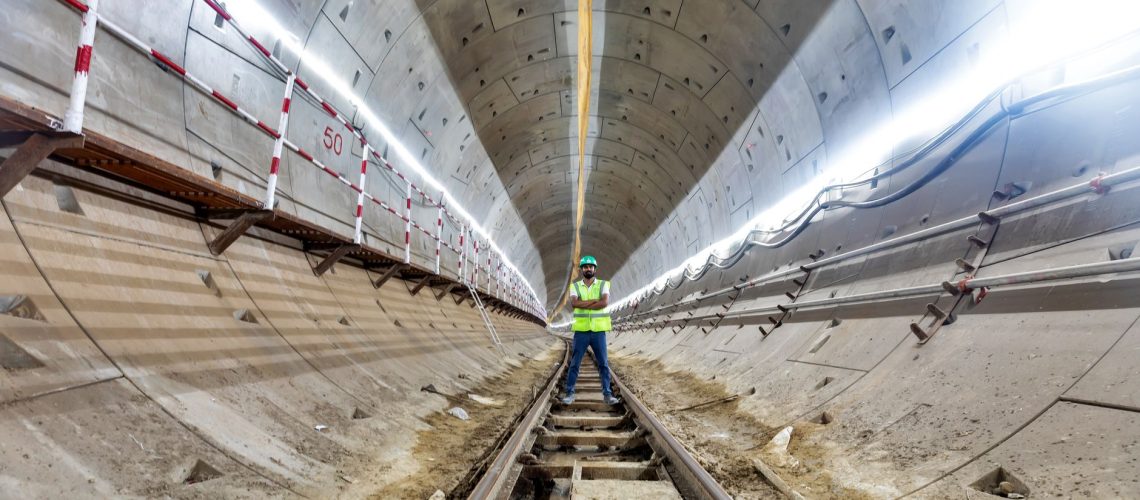
Metro development projects are at the forefront of urban infrastructure discussions. Recently, Sreedharan met with CM Satheesan to explore key initiatives that could shape the future of the region.
Overview of Metro development projects
Metro development projects have become a cornerstone of urban infrastructure, significantly impacting public transportation systems. These projects aim to enhance connectivity, reduce traffic congestion, and promote sustainable urban growth.
In recent discussions, renowned engineer Sreedharan, often referred to as the ‘Metro Man,’ met with Chief Minister Satheesan to explore key strategies for advancing metro development projects in the region. This meeting highlighted the need for innovative approaches and efficient execution to ensure that these projects meet the demands of growing urban populations.
Several proven strategies have emerged as essential for successful metro development:
- Community Engagement: Involving local communities in the planning process helps address concerns and gather valuable insights.
- Public-Private Partnerships: Collaborations between government bodies and private entities can provide the necessary funding and expertise.
- Technology Integration: Utilizing advanced technologies for design, construction, and operation can streamline processes and improve safety.
- Sustainability Practices: Implementing eco-friendly practices in construction and operation contributes to long-term environmental goals.
By focusing on these strategies, cities can ensure the successful implementation of metro development projects that effectively meet the needs of their residents.
Key figures in urban infrastructure
In the realm of urban infrastructure, several key figures have played pivotal roles in shaping the future of metro development projects. One of the most notable is E. Sreedharan, often referred to as the ‘Metro Man’ of India. His leadership in various metro rail initiatives has set benchmarks for efficiency and effectiveness in urban transport systems.
Other influential figures include:
- Dr. R. S. K. Gupta, an engineer known for his innovative approaches to metro expansion.
- Vinay Kumar Singh, who has been instrumental in implementing safety protocols in metro construction.
- Anjali Joshi, a prominent urban planner advocating for sustainable metro development projects.
These individuals have contributed significantly to the planning and execution of metro systems, ensuring they meet the needs of growing urban populations. Their collaboration with government officials, such as Chief Minister Satheesan, emphasizes the importance of public-private partnerships in advancing these projects. By leveraging their expertise and vision, cities can enhance mobility, reduce congestion, and promote economic growth through effective metro development strategies.
As urbanization continues to rise, the insights and leadership of these key figures will be vital in navigating the challenges associated with metro infrastructure.
Recent meetings on development
Recent meetings have highlighted the ongoing discussions surrounding metro development projects in the region. Notably, ‘Metro Man’ Sreedharan recently met with Chief Minister Satheesan to delve into pivotal development initiatives. This meeting aimed to align governmental priorities with urban infrastructure advancements, ensuring that the proposed projects meet the needs of the growing urban population.
During the discussions, several key topics were addressed:
- Funding Mechanisms: Participants explored various funding avenues to support the ambitious metro development projects, emphasizing the need for public-private partnerships.
- Project Timeline: The urgency of timely execution was underscored, with an emphasis on minimizing delays that have historically plagued infrastructure projects.
- Community Engagement: Ensuring that local communities are involved in the planning process was deemed essential for the success of future initiatives.
- Technology Integration: The use of modern technology in planning and execution was discussed, aiming to enhance efficiency and sustainability.
The outcomes of this meeting are expected to influence the trajectory of metro development projects, setting a precedent for future infrastructural endeavors in urban settings.
Impact of Metro projects on cities
The impact of metro development projects on cities is profound and multifaceted. These initiatives are not only transformative for public transportation but also serve as catalysts for broader urban growth. One significant effect of metro projects is the enhancement of accessibility. By connecting various parts of the city, they enable residents to reach their destinations more efficiently, reducing travel time and congestion.
Moreover, metro development projects often lead to economic revitalization in surrounding areas. Businesses thrive in proximity to metro stations as foot traffic increases, creating new job opportunities and boosting local economies. This urban renewal can also drive up property values, making areas more desirable for both residents and investors.
Additionally, these projects contribute to environmental sustainability. By promoting public transport over personal vehicles, metro systems help reduce greenhouse gas emissions and improve air quality, aligning with global efforts to combat climate change.
However, it is crucial to address challenges such as funding, community displacement, and construction delays. Engaging with stakeholders, including local communities and businesses, is essential for ensuring that metro development projects meet the needs of all citizens while maximizing their positive impact on the urban landscape.
Challenges in Metro development
The journey of metro development projects is often laden with numerous challenges that can hinder progress and impact overall effectiveness. One of the primary obstacles is funding, as securing adequate financial resources can be difficult amidst competing demands for public funds.
Additionally, land acquisition poses a significant hurdle. The process can lead to prolonged delays due to legal disputes and community resistance, impacting timelines and budgets. Local residents may also be concerned about displacement and loss of livelihood, which requires careful negotiation and planning.
Another challenge is technical complexities. Designing and constructing metro systems that integrate smoothly with existing infrastructure demands advanced engineering solutions and innovative technology. Issues such as geological conditions and urban density can complicate development efforts.
Public acceptance is also vital. Community engagement and transparent communication are essential to address fears and misconceptions regarding metro development projects. If residents perceive the benefits, they are more likely to support ongoing initiatives.
Finally, ensuring sustainability is crucial. Metro projects must not only focus on immediate transportation needs but also consider long-term environmental impact, aligning with broader urban development goals.
Success stories from other cities
As cities around the world embrace rapid urbanization, various metro development projects have emerged as successful examples of effective transportation solutions. One such success story is the Delhi Metro in India, which has transformed urban mobility since its inception in 2002. By significantly reducing travel times and easing congestion, it has become a model for other cities to emulate.
In Europe, the London Underground system serves as another benchmark, boasting a rich history of efficient service and expansion. Its integration with other transport modes has enhanced its effectiveness, making it a vital part of the city’s infrastructure.
Another example can be found in Seoul, South Korea, where the metro system not only reduces traffic but also promotes sustainable practices. It features eco-friendly technologies and has successfully encouraged the use of public transport among citizens.
Key strategies observed in these success stories include:
- Robust planning and investment: Adequate funding and foresight in design are crucial.
- Community engagement: Involving local residents in the planning process fosters support.
- Integration with existing transport: Seamless connectivity enhances overall efficiency.
These proven strategies highlight the potential for metro development projects to significantly improve urban life.
Future of Metro development in India
The future of metro development in India looks promising as cities continue to expand and urban populations grow. The government and local authorities are increasingly recognizing the importance of efficient public transport systems, and metro development projects are at the forefront of this initiative.
As urban planners and policymakers engage in discussions about expansion, several key strategies are emerging to ensure the success of these projects. These include:
- Integrated Planning: Collaborating with various stakeholders to create a seamless transport network that incorporates metro services with other forms of public transit.
- Community Engagement: Involving local communities in the planning process to address their needs and concerns, ensuring public support for the projects.
- Sustainability Focus: Emphasizing eco-friendly construction methods and energy-efficient technologies to minimize environmental impact.
- Financial Viability: Exploring innovative funding models, including public-private partnerships, to support the financial sustainability of metro development projects.
With the recent meeting between ‘Metro Man’ Sreedharan and CM Satheesan, it is evident that there is a strong commitment to advancing metro development projects. By adopting these proven strategies, India can pave the way for a more efficient and sustainable urban transport system.
Community involvement in infrastructure projects
Community involvement in infrastructure projects is crucial for the success of metro development projects. Engaging local residents not only fosters transparency but also ensures that the needs and concerns of the community are addressed effectively. An inclusive approach allows for the identification of unique challenges that might not be apparent to planners and developers who are not part of the community.
One of the best proven strategies involves conducting regular public consultations. These meetings provide a platform for residents to voice their opinions and suggest improvements. In addition, utilizing surveys and feedback forms helps gather a broader perspective on the community’s priorities.
Collaboration with local organizations can also enhance community involvement. By partnering with NGOs and resident associations, developers can ensure that diverse voices are heard. This collaboration can lead to innovative ideas and solutions that cater to the specific needs of the population.
Furthermore, educational initiatives that inform the public about the benefits of metro development projects can help garner support. By showcasing the advantages, such as reduced traffic congestion and improved air quality, communities are more likely to embrace these changes. Ultimately, a well-informed and engaged community is vital for the sustainable success of metro development projects.
Photo by Anil Sharma on Pexels
